
🎓SAT Review
Is the SAT Hard? Is the SAT Worth It?
Is the SAT Hard? Is the SAT Worth It?
💭 Is the SAT Worth It?
If you're a high school student planning to go to college, the SAT is almost certainly worth taking. That said, the testing landscape has shifted significantly in recent years. The majority of US colleges no longer require standardized test scores for admission, and the trend continues moving in that direction.
Some school systems are test-blind, meaning they don't consider standardized test scores at all. The UC (University of California) and California State systems fall into this category. On the other end of the spectrum, schools like MIT and Georgetown University still require scores. Most colleges sit somewhere in the middle as test-optional schools, where you choose whether to submit scores. Because of this, it's worth taking the SAT to see if your score strengthens your application. If it does, submit it. If not, you can leave it off.
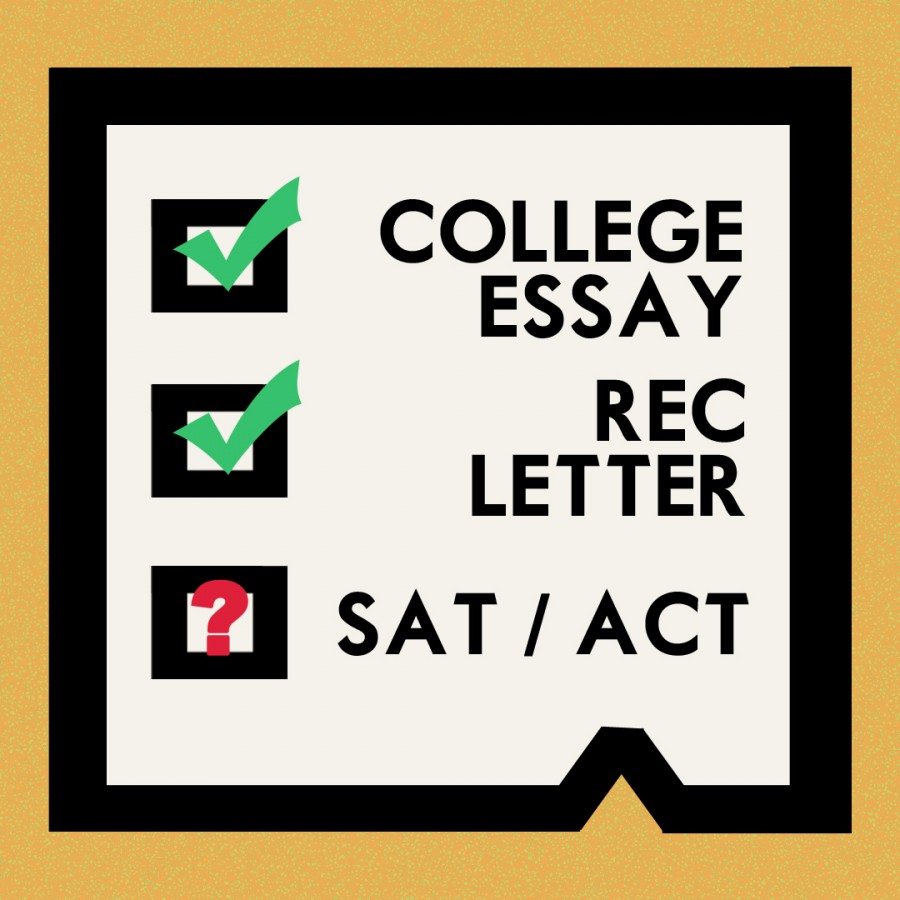
Image Courtesy of Galin Education
The SAT isn't the only standardized test colleges accept. The ACT is an equally valid option, and the two tests have real differences worth considering:
- The SAT gives you more time per question, but the questions tend to be trickier in their wording. Math sections account for half your composite score.
- The ACT moves faster with more straightforward questions. It also includes a science section that the SAT doesn't have.
If you can, try practice versions of both tests to see which format suits your strengths.
🎖 Benefits of a Good SAT Score
Each college has its own SAT score range reflecting the typical scores of admitted students. Falling within that range is one way to show you can handle the school's academic expectations. But keep perspective:
🚀 SAT SCORES DO NOT DEFINE YOU
Your score won't single-handedly make or break your application. Colleges weigh coursework, extracurriculars, essays, and recommendations alongside test scores. A single number doesn't capture your academic potential, and admissions officers know that. The SAT is just one piece of a much larger picture.
Beyond admissions, a strong SAT score can help with scholarships. Many scholarship programs factor in test scores alongside GPA. Some colleges automatically award academic scholarships to students who hit certain score thresholds, so a high score can directly translate to financial aid.
Some colleges also offer honors programs that use standardized test scores as part of their admissions criteria. Honors program perks often include scholarship money, special housing, smaller class sizes, exclusive courses, and enrichment opportunities. Check your prospective colleges' honors programs to see what score ranges they look for.
Is the SAT For Me?
Here are a few factors to consider when deciding if the SAT fits your academic style:
-
Speed 🏃🏼♀️ - If pacing is a challenge for you on standardized tests, the SAT is probably the better choice. It gives you more time per question than the ACT.
-
Skills 📕🧪 - If you're stronger in reading and writing than in science, the SAT may be a better fit. It has no science section, and you get more time on the math portions than the ACT allows.
-
Future Plans 👨🏼🎓 - If you're heading to a trade school or another path that doesn't require standardized tests, the SAT may not be necessary. But if there's any chance you'll pursue a four-year degree, taking the test is worth it.
If you're worried a low score might hurt you, remember that most schools are now test-optional. You can take the exam and only submit your score if it helps your application.
📝 Read: Test Optional - Should you go test-optional or take the SAT?
👷🏻♀️ Is the SAT Hard?
📝 Test Overview
Note: The SAT underwent a major redesign in March 2024. The current SAT is fully digital and consists of two sections: Reading and Writing and Math. The test takes about 2 hours and 14 minutes total. Calculator use is now permitted on the entire Math section. The old four-section, paper-based format (Reading, Writing, No-Calculator Math, Calculator Math) is no longer administered.
The SAT covers material from the first two to three years of high school. If you take it junior year like most students, you're unlikely to encounter unfamiliar content. Because the SAT is a standardized test, the College Board can only test concepts the average high school student has learned. The challenge isn't the content itself; it's how the questions are worded. The College Board often phrases things in unusual or deliberately tricky ways.
The key to doing well is learning to recognize those question patterns and practicing until you can quickly identify what's actually being asked. Check out our guide containing global strategies for tips on working through all sections more efficiently.
🔢 'How Hard Is It?' By the Numbers
According to the College Board's 2022 SAT score data:
- 7% of students scored in the 1400-1600 range
- 18% scored between 1200-1390
- 33% scored between 1000-1190
- 30% scored between 800-990
- 11% scored between 600-790
- <1% of students scored below 590
The average score from this data set was approximately 1050. The College Board's College and Career Readiness benchmarks are 480 for Evidence-Based Reading and Writing and 530 for Math, meaning a composite score meeting both benchmarks would be 1010.
Not sure how the SAT is scored? We break it down for you step-by-step in this resource piece.
👩🏼⚖️ Final Verdict
There's no single answer to "Is the SAT hard?" Every student has different strengths, and what feels manageable for one person can feel tough for another. That's completely normal. What is consistent across students who do well: they understand the test structure, they've practiced with real questions, and they know what the College Board is actually asking. With solid preparation, a strong score is within reach for most students.
🌟 All-In-All
The SAT is worth taking for most college-bound students, especially in a test-optional world where you can submit your score only if it helps. The test covers material you've already learned in high school, and the real challenge is getting comfortable with the format and question style. With practice, you can absolutely improve your score.