6.6 Causes of Migration from 1750 to 1900

🌍AP World History: Modern Unit 6 Review
6.6 Causes of Migration from 1750 to 1900
🌍 AP World History: Modern
From 1750 to 1900, migration grew dramatically because industrialization changed labor needs, global capitalism spread, and new transportation made moving long distances faster and cheaper. People relocated both freely, often chasing work, and through coerced or semicoerced systems like enslavement, indentured servitude, and convict labor.
What Caused Migration from 1750 to 1900?
The main causes of migration from 1750 to 1900 were demographic pressure, environmental stress, economic opportunity, coerced labor systems, and new transportation. Some people moved freely to find work, while others moved through coerced or semicoerced systems such as enslavement, Chinese and Indian indentured servitude, and convict labor.
For AP World Topic 6.6, the key is causation. Explain how industrialization, global capitalism, transportation, and population pressure changed where people moved and why.
Why This Matters for the AP World History Exam
This topic is built around causation. You need to explain why migration patterns shifted in this era and connect those causes to bigger forces like industrial capitalism, imperial expansion, and demographic change. That kind of cause-and-effect thinking shows up across multiple-choice questions and matters for free-response prompts that ask you to analyze why something happened.
It also sets up comparison and continuity/change reasoning. Free migration and coerced migration existed side by side, so you can compare them. Coerced labor migration continued from earlier periods even as its forms changed, which is a strong continuity-and-change point. Knowing the difference between environmental, economic, and demographic drivers gives you flexible evidence for arguments.
Key Takeaways
- Demographic changes in both industrialized and unindustrialized societies pressured existing ways of living and pushed people to migrate.
- New transportation like steamships and railroads sent both internal and external migrants toward cities, driving major 19th-century urbanization.
- Faster, cheaper travel also let many migrants return home, sometimes seasonally and sometimes permanently.
- Many people migrated freely, usually looking for work.
- The global capitalist economy still depended on coerced and semicoerced labor migration, including enslavement, Chinese and Indian indentured servitude, and convict labor.
- Sort causes into environmental, economic, and demographic categories so you can pull the right evidence for any prompt.
Environmental, Economic, and Demographic Causes
Migration usually comes from a mix of push factors that drive people out of their homelands and pull factors that draw them somewhere new. In this period, those forces operated on a global scale.
Demographic pressure and changing patterns of living. Population growth and shifts in both industrialized and unindustrialized societies strained land, jobs, and resources. When existing ways of living broke down, people moved. Crop failures and famine are a strong example of this. The Irish Potato Famine (1845 to 1852) pushed large numbers of Irish migrants toward the United States and other destinations. Treat specific famines as examples of demographic strain, not as required AP content.
Economic opportunity. Many people chose freely to relocate, usually in search of work. Industrial centers, plantations, mines, and farming regions all pulled labor. British engineers and geologists, for instance, moved to South Asia and Africa for work tied to imperial economies. These are illustrative examples of voluntary, work-driven migration.
Coercion within global capitalism. The new global capitalist economy still relied on coerced and semicoerced labor migration. This included enslavement, Chinese and Indian indentured servitude, and convict labor. This is the key continuity point: even as some forms of forced labor declined, coerced movement of people did not disappear.
Transportation and Urbanization
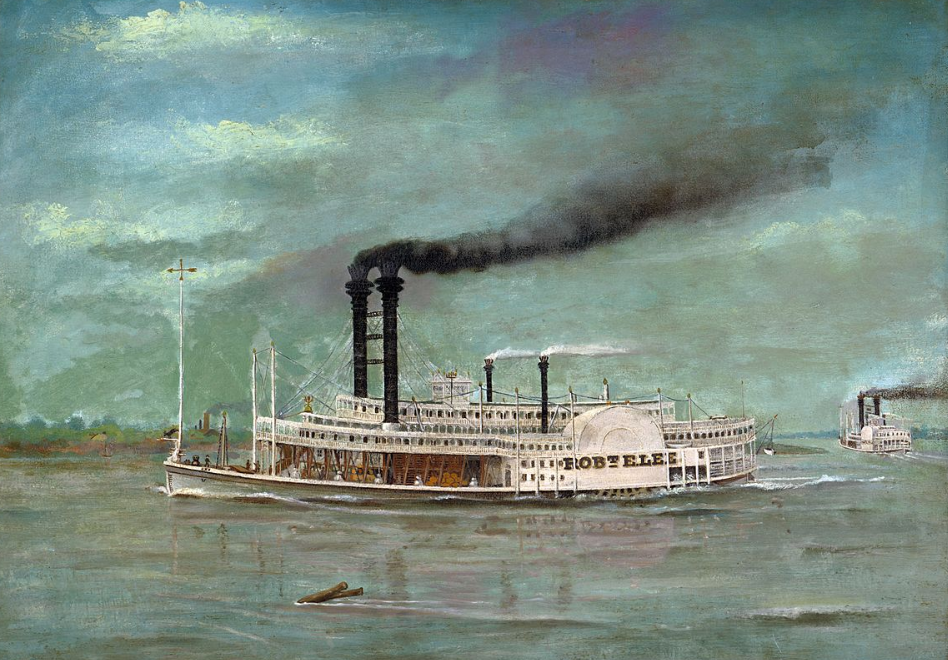
New transportation technology is central to why migration changed in this era. Faster, cheaper travel reshaped where people went and how often they came back.
| Mode of Transport | Effect on Migration |
|---|---|
| Steamships | Made oceanic crossings faster and more affordable |
| Railroads | Opened interior regions and moved people toward cities |
| Urban transit | Helped people relocate into fast-growing industrial cities |
Because of these new modes of transport, both internal and external migrants increasingly moved to cities. That pattern fed the significant global urbanization of the 19th century. The same technology also let many migrants return home, either periodically or permanently, which created back-and-forth migration that earlier eras rarely saw.
Examples of return migration include Japanese agricultural workers in the Pacific, Lebanese merchants in the Americas, and Italian industrial workers in Argentina. Use these to show the return pattern, not as required terms.
Free vs. Coerced Migration
A clean way to organize this topic is to split migration into freely chosen and coerced or semicoerced.
Freely chosen migration was often about work. People moved toward jobs in factories, on railroads, in mines, and on farms. Irish migration to the United States and British engineers heading to South Asia and Africa are useful examples of voluntary relocation tied to economic opportunity.
Coerced and semicoerced migration stayed central to the global economy. Key forms included:
- Enslavement, which continued in some regions despite abolition movements
- Chinese and Indian indentured servitude, where contracts could come with deceptive recruitment and harsh conditions
- Convict labor used to build and supply colonies
Indentured servitude sits in a gray zone. It was technically a contract, but recruitment was often misleading and working conditions were frequently abusive, which is why it counts as semicoerced.
How to Use This on the AP World History Exam
MCQ
Expect source-based questions tied to migration data, government policies, or firsthand accounts. Watch for these moves:
- Identify whether a migration was free or coerced based on the source.
- Connect a cause to its larger force. A famine points to demographic strain, a railroad points to transportation, a labor contract points to global capitalism.
- Tie migration patterns to urbanization, since most migrants ended up in cities.
Free Response
Use this topic as causation evidence. If a prompt asks why migration changed from 1750 to 1900, you can build a clear answer around three drivers: demographic pressure, economic opportunity, and coerced labor demand, with transportation as the technology that made it all faster.
For continuity and change, your strongest point is that coerced labor migration continued from earlier periods even as enslavement gave way to indentured servitude and convict labor in many places. For comparison, contrast freely chosen, work-seeking migration with coerced systems.
Common Trap
Do not treat all 19th-century migration as voluntary people chasing the American Dream. A large share of global migration was coerced or semicoerced, and ignoring that will weaken any causation or comparison argument.
Common Misconceptions
- Misconception: Migration in this era was mostly permanent.Actually: Migration in this era was not mostly permanent. New transportation let many migrants return home periodically or permanently, so circular and seasonal movement was common.
- Misconception: Indentured servitude was the same as free migration.Actually: Indentured servitude was not the same as free migration. Contracts often involved deceptive recruitment and exploitative conditions, which is why it counts as semicoerced.
- Misconception: The end of the Atlantic slave trade ended coerced migration.Actually: The end of the Atlantic slave trade did not end coerced migration. Global capitalism kept relying on coerced and semicoerced labor through indentured servitude and convict labor.
- Misconception: Migration was only international.Actually: Migration was not only international. Huge numbers of people moved internally from rural areas to cities, which is a major part of 19th-century urbanization.
- Misconception: Transportation caused migration on its own.Actually: Transportation did not cause migration on its own. It made movement faster and cheaper, but the underlying causes were demographic, economic, and labor-related.
Related AP World History Guides
Practice Questions for 6.6
1 of 10
Steamship technology reduced Atlantic crossing times from several months to weeks in the mid-19th century. Which relationship between transportation innovation and migration patterns does this development best illustrate?
A.
Faster, cheaper travel increased long-distance migration and enabled return migration.
B.
Steamships mainly served imperial military aims, sometimes producing refugee movements.
C.
Benefits limited to elites, with little effect on working-class migration.
D.
Improved transport reduced migration by allowing goods to reach markets.
Vocabulary
The following words are mentioned explicitly in the AP® course framework for this topic.Term | Definition |
|---|---|
coerced labor migration | The forced movement of people from one location to another for labor purposes, including enslavement and convict labor. |
convict labor | The forced labor of convicted criminals, used as a form of coerced migration to colonies and penal settlements. |
demographics | Statistical data about populations, including size, growth, age distribution, and composition that influenced migration decisions. |
economic factors | The financial, commercial, and labor-related conditions that influenced decisions about migration and relocation during the period 1750-1900. |
enslavement | The forced subjugation of people into slavery, a form of coerced labor migration. |
environmental factors | Physical and natural conditions such as climate, geography, and natural resources that influence economic development and trade patterns. |
external migration | Movement of people across national or regional boundaries to settle in new territories. |
global capitalist economy | An interconnected worldwide economic system based on private ownership, market exchange, and profit-driven production across international boundaries. |
indentured servitude | A labor system in which workers, particularly Chinese and Indian migrants, were bound by contract to work for a specified period in exchange for passage and subsistence. |
industrialized societies | Nations and regions that had developed factory-based manufacturing and industrial economies during the 18th and 19th centuries. |
internal migration | Movement of people within a country or region, often from rural areas to cities. |
migration patterns | The movement of people from one region to another during a specific historical period, characterized by particular directions, volumes, and demographic compositions. |
modes of transportation | Methods and systems of moving people and goods, including steamships, railroads, and other innovations that facilitated migration. |
patterns of migration | The distinct routes, destinations, and characteristics of population movements during the period 1750-1900, shaped by economic conditions. |
semicoerced labor migration | Labor migration involving limited choice or consent, such as indentured servitude where workers were bound by contract. |
unindustrialized societies | Nations and regions that maintained primarily agricultural or pre-industrial economies during the period of global industrialization. |
urbanization | The process of population concentration in cities and the growth of urban areas as a result of migration and industrialization. |
Frequently Asked Questions
What were the main causes of migration from 1750 to 1900?
The main causes were demographic pressure, environmental stress, economic opportunity, coerced and semicoerced labor demand, and new transportation. Industrialization and global capitalism increased demand for labor and made long-distance movement more common.
What is the difference between free and coerced migration?
Free migration means people chose to move, usually for work or opportunity. Coerced migration means people were forced or heavily pressured to move, as in enslavement, indentured servitude, or convict labor.
Why did migration lead to urbanization in the 1800s?
New transportation and industrial jobs drew both internal and external migrants toward cities. As factories and imperial economies needed workers, many people moved from rural areas into urban centers.
What are examples of semicoerced labor migration?
Chinese and Indian indentured servitude are major AP World examples. These workers signed contracts, but recruitment could be deceptive and working conditions were often harsh, so the system was not fully free migration.
How did transportation affect migration from 1750 to 1900?
Steamships and railroads made migration faster, cheaper, and more flexible. They also allowed some migrants to return home periodically or permanently, creating more circular migration patterns.
How should I use Topic 6.6 on AP World free-response questions?
Use Topic 6.6 as causation evidence. Explain how economic demand, demographic pressure, coerced labor, and transportation worked together to create new migration patterns from 1750 to 1900.
See Fiveable more often in Google
Mark Fiveable as a preferred source and Google is more likely to show you our guides in Top Stories, with a "preferred" badge in AI Mode and AI Overviews.