16.3 Major policy issues and debates

🍑Georgia History Unit 16 Review
16.3 Major policy issues and debates
🍑 Georgia History
continue practicing 16.3
Multiple choice
Policy Issues in Georgia Politics

Top images from around the web for Education Reform and Healthcare Access
Health Care Reform - Free of Charge Creative Commons Chalkboard image View original
Is this image relevant?
Article Summary #22: Race and the Effects of Georgia’s HOPE Scholarship View original
Is this image relevant?
New bill is the 'next chapter' in Georgia’s mental health reform effort - The Current View original
Is this image relevant?
Health Care Reform - Free of Charge Creative Commons Chalkboard image View original
Is this image relevant?
Article Summary #22: Race and the Effects of Georgia’s HOPE Scholarship View original
Is this image relevant?
Education Reform and Healthcare Access
Education reform has been one of the most persistent policy debates in Georgia. Policymakers have clashed over how to improve student outcomes and expand access to quality education across the state, especially in rural and underserved areas.
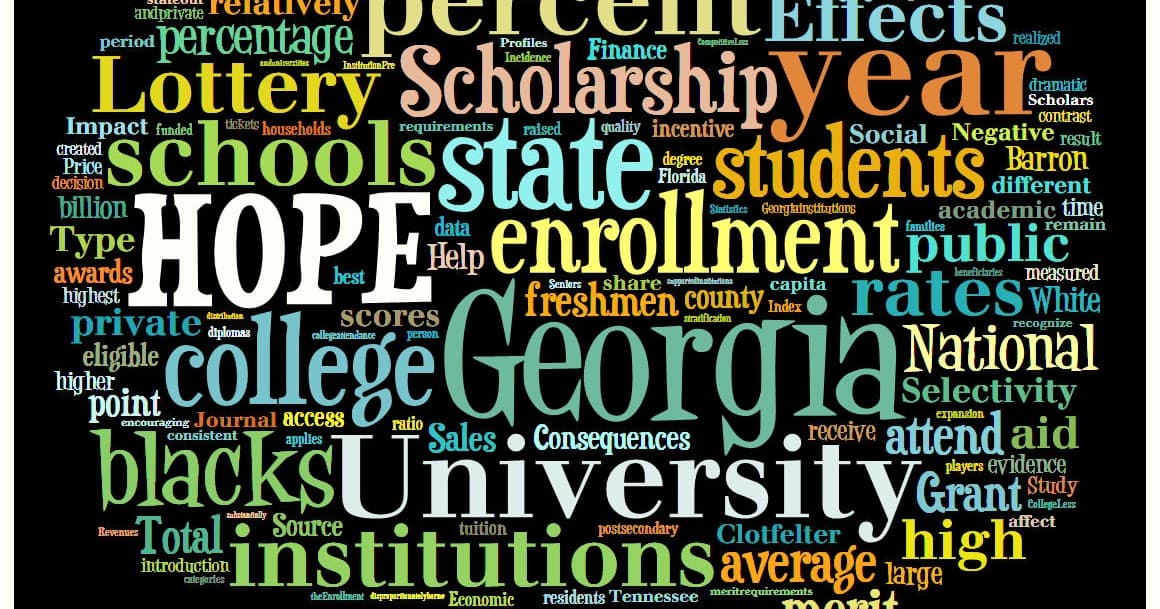
The HOPE Scholarship program stands out as a landmark initiative. Funded by the Georgia Lottery, HOPE provides merit-based tuition assistance to Georgia students attending in-state colleges and universities. While widely popular, it has generated debate over eligibility requirements, funding sustainability, and whether lottery revenue disproportionately comes from lower-income communities.
Healthcare access and affordability have been equally contentious. The central question: how do you ensure all Georgians can get necessary medical care without crushing financial burdens? This debate intensified as the state's uninsured population remained among the highest in the nation.
Economic Development and Social Issues
Economic development and job creation have been top priorities for Georgia policymakers on both sides of the aisle. The state has actively worked to attract new businesses and industries while supporting existing companies, particularly in metro Atlanta and along major transportation corridors.
Environmental protection has emerged alongside economic concerns, with advocates pushing for stronger regulations on air and water quality, conservation of natural resources, and responsible development practices.
Several controversial social issues have shaped Georgia's political landscape in the early 21st century:
- Same-sex marriage: Georgia passed a Defense of Marriage Act before the issue was settled federally
- Abortion rights: The state passed a "fetal heartbeat bill" (HB 481 in 2019) restricting abortion after roughly six weeks of pregnancy
- Gun rights: The "campus carry" law allowed licensed gun owners to carry firearms on public college campuses
Each of these issues drew sharp partisan lines and generated intense public debate.
Immigration and Criminal Justice Reform
Immigration policy became a major flashpoint as Georgia's immigrant population grew significantly in the late 20th and early 21st centuries. Industries like agriculture, construction, and food processing depend heavily on immigrant labor, making the issue both politically and economically charged.
Georgia enacted several measures aimed at curbing illegal immigration:
- E-Verify requirements: Employers above a certain size must verify the legal work status of new hires
- 287(g) agreements: Local law enforcement agencies partnered with federal immigration authorities to check the immigration status of individuals in custody
These measures sparked controversy and legal challenges, with critics arguing they encouraged racial profiling and harmed Georgia's economy.
Criminal justice reform also gained momentum, with advocates pushing for changes to address racial disparities and reduce incarceration. Specific proposals included sentencing reform for nonviolent offenses and scrutiny of private prison operations.
Voting Rights and the Role of Government
Voting rights became one of Georgia's most contentious issues, drawing national attention. Key flashpoints included:
- Voter ID laws requiring specific forms of identification at the polls
- Exact match policies that flagged voter registrations when information didn't precisely match government databases
- Purging of voter rolls, which removed voters who hadn't participated in recent elections
- Polling place closures, particularly in predominantly minority communities
Supporters argued these measures protected election integrity. Opponents called them voter suppression tactics that disproportionately affected Black voters and other minorities.
The broader debate over government's role in addressing inequality also split along party lines. Democrats generally favored an active government role through programs like Medicaid expansion and affordable housing initiatives. Republicans preferred a more limited government approach, arguing that free markets and individual initiative were better solutions.
Party Positions on Key Issues

Democratic Party Positions
On education, Democrats pushed for increased funding for public schools, higher teacher pay, and smaller class sizes. Their argument: investing in schools and educators is the most direct path to improving student outcomes.
On healthcare, Democrats advocated for expanding Medicaid under the Affordable Care Act, which would extend health insurance coverage to low-income Georgians who fell into the "coverage gap" between Medicaid eligibility and ACA marketplace subsidies.
On economic development, Democrats typically favored public investment in infrastructure, public transportation, and workforce development programs to create jobs and support small business growth.
Republican Party Positions
On education, Republicans championed school choice initiatives, including charter schools, voucher programs, tax credit scholarships, and education savings accounts. The core argument: competition and parental choice drive innovation and better outcomes.
On healthcare, Republicans generally opposed Medicaid expansion, citing concerns about long-term costs to the state. They preferred private market solutions to increase access and lower costs.
On economic development, Republicans favored tax cuts and deregulation as the primary tools for growth. Specific policies included job tax credits for businesses that relocated to or expanded in Georgia and efforts to reduce corporate tax rates, aiming to make the state more competitive nationally.
National Policy Impact on Georgia
Education and Healthcare Policy
Federal education policy directly shaped Georgia's approach. The No Child Left Behind Act required standardized testing and school accountability measures, sparking debate over whether high-stakes testing accurately measured school quality or simply encouraged "teaching to the test."
The Affordable Care Act (ACA) had enormous implications for Georgia. It created insurance exchanges where individuals could purchase coverage, imposed an individual mandate requiring most Americans to have health insurance, and offered states the option to expand Medicaid. Georgia's decision not to expand Medicaid became one of the state's most debated healthcare issues, leaving hundreds of thousands of low-income residents without coverage.
Social and Cultural Issues
The Supreme Court's 2015 decision in Obergefell v. Hodges legalized same-sex marriage nationwide, overturning Georgia's constitutional ban. Conservative lawmakers responded by pushing Religious Freedom Restoration Act legislation, arguing that business owners and religious organizations needed protection from being compelled to participate in same-sex ceremonies.
National immigration debates hit Georgia particularly hard given the state's reliance on immigrant labor in agriculture and construction. Federal policy shifts on border security, deportation priorities, and pathways to legal status all had direct economic and social consequences for Georgia communities.

Economic Policy and Trade
Georgia's economy is tightly connected to national and global trends, so federal trade and tax policy can ripple through the state quickly.
- Trade agreements like NAFTA affected Georgia's manufacturing base and agricultural exports, including timber and poultry
- Tariffs on imports impacted the automotive industry and the Port of Savannah, one of the busiest ports in the country
- The 2017 Tax Cuts and Jobs Act lowered corporate tax rates and changed individual tax brackets, affecting Georgia businesses and households across income levels
Interest Group Influence on Policy
Education and Healthcare Advocacy
Teacher organizations like the Georgia Association of Educators and the Professional Association of Georgia Educators have been vocal in debates over teacher pay, class sizes, and the role of standardized testing. These groups advocate for policies that support educators and push back against measures they see as undermining public schools.
Healthcare industry groups, including the Georgia Hospital Association and the Medical Association of Georgia, have been influential in the Medicaid expansion debate and other healthcare policy discussions. Rural hospitals facing financial distress have been particularly active in arguing for expanded coverage.
Business and Economic Development Groups
The Georgia Chamber of Commerce and similar organizations are among the most influential voices in state politics. They advocate for tax incentives, transportation infrastructure investment, and regulatory policies favorable to business growth.
These groups wield significant influence through campaign contributions, lobbying, and the ability to mobilize their membership networks. They work closely with elected officials on both sides of the aisle to shape legislation affecting the business climate.
Citizen-Led Movements and Issue Advocacy
Grassroots movements have also left their mark on Georgia politics. The Tea Party movement helped elect conservative lawmakers who prioritized limited government and fiscal discipline, particularly after 2010. On the other side, progressive organizing efforts have mobilized new voters and shifted debate on issues like healthcare and voting rights.
Civil rights organizations, especially the ACLU of Georgia, have been active in challenging voter ID laws, pushing to end cash bail, and advocating for LGBTQ+ non-discrimination protections.
Environmental groups like the Sierra Club and Chattahoochee Riverkeeper have shaped debates over water conservation, air quality, coal ash disposal, and clean energy development. Their advocacy has been especially visible in disputes over water rights with neighboring states and the protection of Georgia's rivers and coastline.
See Fiveable more often in Google
Mark Fiveable as a preferred source and Google is more likely to show you our guides in Top Stories, with a "preferred" badge in AI Mode and AI Overviews.