2.1 The Pre-Revolutionary Period and the Roots of the American Political Tradition

🎟️Intro to American Government Unit 2 Review
2.1 The Pre-Revolutionary Period and the Roots of the American Political Tradition
🎟️ Intro to American Government
Core American Political Values and Colonial Responses
American political thought is rooted in core values like individualism, limited government, and popular sovereignty. These ideals shaped how colonists understood their relationship with Britain and why they ultimately resisted British control. When Parliament imposed taxes and restrictions without colonial input, colonists didn't just see bad policy. They saw a violation of principles they considered fundamental.
The Enlightenment gave colonists the intellectual framework to justify resistance. Thinkers like Locke, Montesquieu, and Rousseau contributed ideas about natural rights, separation of powers, and social contracts that became foundational to both the Declaration of Independence and the Constitution.

Top images from around the web for Core values of American political thought
America’s Most Important Values – Youth Voices View original
Is this image relevant?
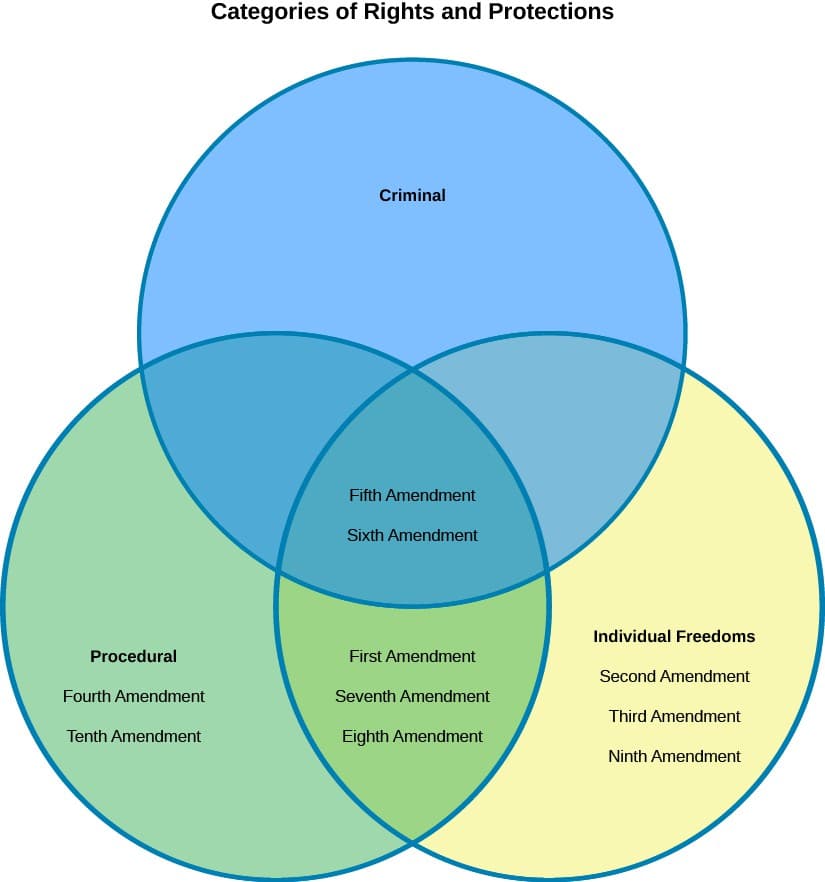
Securing Basic Freedoms – American Government (2e) View original
Is this image relevant?
Public Opinion: How is it formed? | United States Government View original
Is this image relevant?
America’s Most Important Values – Youth Voices View original
Is this image relevant?
Securing Basic Freedoms – American Government (2e) View original
Is this image relevant?
Core Values of American Political Thought
- Individualism places strong emphasis on personal freedom and a belief in the inherent worth of every person. Government exists to serve individuals, not the other way around.
- Limited government reflects a deep skepticism of concentrated power. The colonists favored political authority spread across different levels and branches rather than held by a single ruler or body.
- Popular sovereignty asserts that legitimate political power originates from the people themselves. Government derives its authority from the consent of the governed, and without that consent, it has no rightful claim to rule.
- Republicanism rejects hereditary monarchy and aristocracy. Instead, it advocates for representative government chosen by the people, along with civic virtue, the idea that citizens should prioritize the common good.
- Natural rights are inalienable rights belonging to all people, such as life, liberty, and property. These rights are not granted by government. They exist on their own, and government cannot legitimately take them away.

British Actions and Colonial Responses
For much of the colonial period, Britain practiced salutary neglect, loosely enforcing trade regulations and giving colonists significant self-governance. That changed after the French and Indian War (1754–1763), when Britain began asserting much tighter control.
- The Proclamation of 1763 restricted westward expansion into Native American territories, frustrating colonists eager to settle new land.
- The Sugar Act (1764) and Stamp Act (1765) imposed new taxes on the colonies without their consent. The rallying cry "no taxation without representation" captured why colonists saw these taxes as illegitimate.
- The Boston Tea Party (1773) protested the Tea Act by dumping British tea into Boston Harbor, a dramatic act of defiance against Parliament's authority.
- The First Continental Congress (1774) brought colonial delegates together to coordinate a unified response and list their grievances against Britain.
- The Intolerable Acts (1774) punished Massachusetts for the Boston Tea Party by closing the port of Boston and restricting self-governance. Rather than isolating Massachusetts, these acts united the other colonies in opposition.
- The Battles of Lexington and Concord (1775) marked the beginning of armed conflict in the American Revolution.
- The Declaration of Independence (1776) formally stated the colonies' intention to separate from Great Britain, outlined specific grievances against the Crown, and asserted the colonies' right to self-governance.

Colonial Development and Unity
Several earlier developments helped build the shared identity that made unified resistance possible.
- Colonial charters established the legal frameworks for governance in early American colonies, giving colonists experience with self-rule.
- Mercantilism shaped British economic policy toward the colonies, treating them as sources of raw materials and captive markets for British finished goods. This created economic resentment over time.
- The Great Awakening, a religious revival movement in the 1730s–1740s, fostered a sense of shared identity across colonial boundaries by emphasizing individual spiritual experience over established church authority.
- The Albany Plan of Union (1754), proposed by Benjamin Franklin, called for a unified colonial government. It was rejected by the colonies and by Britain, but it demonstrated early thinking about inter-colonial cooperation.
Enlightenment Influences on American Political Philosophy
The Enlightenment was an intellectual movement emphasizing reason, individual rights, and skepticism of traditional authority. Three thinkers had an especially direct impact on American political philosophy.
- John Locke argued that all people possess natural rights to life, liberty, and property. Government's primary purpose is to protect these rights. If it fails to do so, the people have a right to alter or overthrow it. This idea of a right to revolution became central to the American cause.
- Montesquieu proposed dividing government into three branches: executive, legislative, and judicial. By separating powers, no single branch could dominate, which would protect individual liberty.
- Rousseau developed the concept of the social contract: individuals voluntarily surrender some personal freedoms to the government, and in exchange, the government protects their remaining rights. Legitimate government reflects the general will of the people.
Impact on Key Founding Documents
These Enlightenment ideas didn't stay abstract. They showed up directly in the documents that built the American system.
- The Declaration of Independence drew heavily on Locke, asserting that people have unalienable rights and that government authority depends on the consent of the governed. When government becomes destructive of those rights, the people may abolish it.
- The U.S. Constitution incorporated Montesquieu's separation of powers by creating three distinct branches of government with a system of checks and balances designed to prevent any one branch from accumulating too much authority.
See Fiveable more often in Google
Mark Fiveable as a preferred source and Google is more likely to show you our guides in Top Stories, with a "preferred" badge in AI Mode and AI Overviews.