6.1 Writing Authentic and Character-Specific Dialogue

✍️Screenwriting II Unit 6 Review
6.1 Writing Authentic and Character-Specific Dialogue
✍️ Screenwriting II
Crafting authentic dialogue is key to bringing characters to life. It's about more than just words—it's about capturing unique voices, backgrounds, and personalities through speech patterns, word choices, and linguistic quirks.
Dialogue reflects a character's identity, education, culture, and experiences. By carefully considering these factors and incorporating elements like dialect, idiolect, and vernacular, writers can create rich, believable conversations that deepen characterization and enhance storytelling.
Character-Specific Language

Top images from around the web for Individual Speech Patterns
Frontiers | Individual Differences in Frequency of Inner Speech: Differential Relations with ... View original
Is this image relevant?
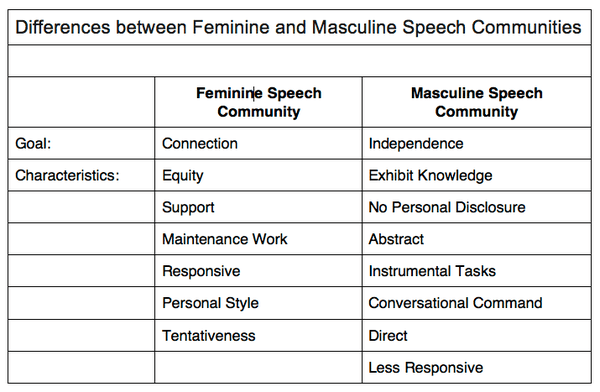
Are There Really Differences in Gender Communication Styles? | SPCH 1311: Introduction to Speech ... View original
Is this image relevant?
Introduction to Language | Boundless Psychology View original
Is this image relevant?
Frontiers | Individual Differences in Frequency of Inner Speech: Differential Relations with ... View original
Is this image relevant?
Are There Really Differences in Gender Communication Styles? | SPCH 1311: Introduction to Speech ... View original
Is this image relevant?
Individual Speech Patterns
- Voice encompasses unique speaking style and word choices of a character
- Dialect reflects regional or social variations in language (Southern drawl, Cockney accent)
- Idiolect represents individual speech habits and quirks specific to one character
- Colloquialisms involve informal words or phrases used in everyday speech (gonna, ain't)
- Vernacular refers to language specific to a particular group or region (Aussie slang, Jamaican patois)
Implementing Authentic Dialogue
- Develop distinct voices for each character based on their background and personality
- Incorporate appropriate dialects to reflect characters' origins and social groups
- Create unique idiolects by giving characters specific speech patterns or catchphrases
- Use colloquialisms to add realism and informality to dialogue when appropriate
- Employ vernacular expressions to enhance cultural authenticity and character depth

Linguistic Elements
Word Choice and Sentence Structure
- Diction involves selecting appropriate words to convey meaning and tone
- Formal diction uses sophisticated vocabulary and precise language
- Informal diction incorporates casual expressions and everyday language
- Syntax refers to the arrangement of words and phrases in sentences
- Simple syntax consists of short, straightforward sentences
- Complex syntax involves longer sentences with multiple clauses and subordinate ideas

Rhythm and Flow of Speech
- Cadence describes the rhythmic flow and musicality of spoken language
- Fast-paced cadence can indicate excitement, urgency, or nervousness
- Slow, measured cadence may suggest thoughtfulness or hesitation
- Vary sentence length and structure to create natural-sounding dialogue
- Use punctuation to control pacing and emphasize certain words or phrases
Factors Influencing Dialogue
Character Background and Identity
- Educational level affects vocabulary range and complexity of speech
- Occupation influences use of specialized terminology or jargon
- Cultural background shapes idioms, expressions, and communication styles
- Age impacts language use, with generational differences in slang and references
- Personal experiences shape a character's worldview and how they express themselves
Social and Contextual Considerations
- Sociolinguistics examines how social factors influence language use
- Social class can affect speech patterns, vocabulary, and pronunciation
- Power dynamics between characters may alter formality and tone of dialogue
- Situational context determines appropriate language use (formal vs casual settings)
- Relationship between speakers influences intimacy and directness of communication
- Consider how characters adjust their speech for different audiences or situations
See Fiveable more often in Google
Mark Fiveable as a preferred source and Google is more likely to show you our guides in Top Stories, with a "preferred" badge in AI Mode and AI Overviews.