12.2 Addressing Structural Issues

✍️Screenwriting II Unit 12 Review
12.2 Addressing Structural Issues
✍️ Screenwriting II
Structural Analysis
Structural issues are the problems that make a reader feel like something's "off" about a script, even if individual scenes work fine on their own. Fixing them during revision means stepping back from the page-level writing and looking at the architecture of your story: how acts connect, where the pacing drags or rushes, and whether every scene earns its place.
This section covers how to diagnose and fix the most common structural problems in a feature screenplay.

Top images from around the web for Three-Act Structure and Plot Holes
Free Plot Diagram PowerPoint Template - Free PowerPoint Templates - SlideHunter.com View original
Is this image relevant?
Three act structure: http://tinyurl.com/ywveuj | Captured an… | Flickr View original
Is this image relevant?
5 Ways to Stand Out when Applying for a UX Job - UX Mastery View original
Is this image relevant?
Free Plot Diagram PowerPoint Template - Free PowerPoint Templates - SlideHunter.com View original
Is this image relevant?
Three act structure: http://tinyurl.com/ywveuj | Captured an… | Flickr View original
Is this image relevant?
Three-Act Structure and Plot Holes
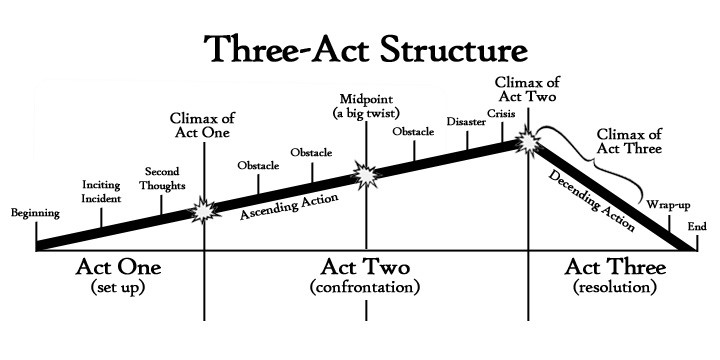
The three-act structure is your script's skeleton. During revision, you're checking whether that skeleton actually holds the story upright.
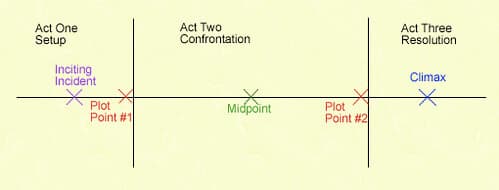
- Act 1 (Setup) introduces your characters, world, and central dramatic question. It typically runs about 25-30 pages in a 110-page screenplay.
- Act 2 (Confrontation) is the longest stretch, where conflict escalates, stakes rise, and obstacles multiply. This is where most structural problems hide, because it's the hardest act to sustain.
- Act 3 (Resolution) delivers the climax and resolves the central conflict. It moves fast and should feel inevitable yet surprising.
When you reread your draft, you're looking for whether each act does its job. Does Act 1 actually establish the conflict, or does it spend too long on backstory? Does Act 2 escalate, or does it plateau? Does Act 3 pay off what the first two acts set up?
Plot holes are logical gaps that break the audience's trust in your story. The most common types:
- Motivation gaps: A character does something the script hasn't justified. If your protagonist suddenly betrays an ally, the groundwork for that choice needs to exist earlier.
- Timeline errors: Events happen in an order that doesn't make sense, or a character knows something they shouldn't know yet.
- Dropped threads: A subplot or setup gets introduced but never resolved. If you show a character hiding a secret in Act 1, the audience expects that secret to matter.
To fix plot holes, you have three main options: add a scene or line that provides the missing logic, revise a character's actions so the gap disappears, or cut the problematic element entirely if it isn't essential.
Act Transitions and Midpoint Evaluation
Act transitions are the turning points that shift your story into a new phase. If they're weak, the whole script feels like it's drifting.
- The first act break (roughly page 25-30) is the moment your protagonist commits to the central conflict. Before this point, they could walk away. After it, they can't. If your first act break feels soft, ask yourself: what makes it impossible for this character to go back to their normal life?
- The midpoint (around page 55) should change the game. Strong midpoints raise the stakes, reveal new information, or shift the protagonist's understanding of what they're up against. A flat midpoint is often why Act 2 feels like it sags. Test yours by asking: does the story feel meaningfully different after this moment than before it?
- The second act break (roughly page 80-85) is typically the protagonist's lowest point, the moment where the goal seems impossible. This is what launches them into the final confrontation. If your second act break doesn't create urgency for Act 3, the climax will feel unmotivated.
During revision, map out where these turning points actually fall in your page count. If your first act break doesn't happen until page 40, your setup is probably too long. If your midpoint is buried and hard to identify, that's a sign it needs sharpening.
Scene Optimization
Scene Order and Subplot Integration
Every scene in a finished screenplay needs to do at least one of two things: advance the plot or deepen character. Ideally both. During revision, go through your script scene by scene and ask: if I cut this, would the story still make sense? If yes, it's a candidate for removal or consolidation.
Scene order affects pacing and emotional rhythm more than most writers expect. A few things to watch for:
- Two quiet, dialogue-heavy scenes back to back can stall momentum. Try intercutting with a subplot or reordering so a higher-energy scene breaks them up.
- Information the audience needs should arrive just before it becomes relevant, not thirty pages earlier when they'll forget it.
- Non-linear techniques like flashbacks or parallel timelines can be powerful, but only use them when linear order genuinely can't achieve the same effect. If a flashback exists just to dump exposition, find a way to dramatize that information in the present.
Subplot integration is about making sure your secondary storylines feel woven into the main narrative rather than bolted on. Strong subplots connect to the main plot through shared themes, character relationships, or consequences that ripple into the A-story. If a subplot could be removed without affecting the main conflict at all, it's not integrated enough. Also check that subplot screen time stays proportional; a B-story that takes over Act 2 will make your central conflict feel neglected.
Climax and Resolution Enhancement
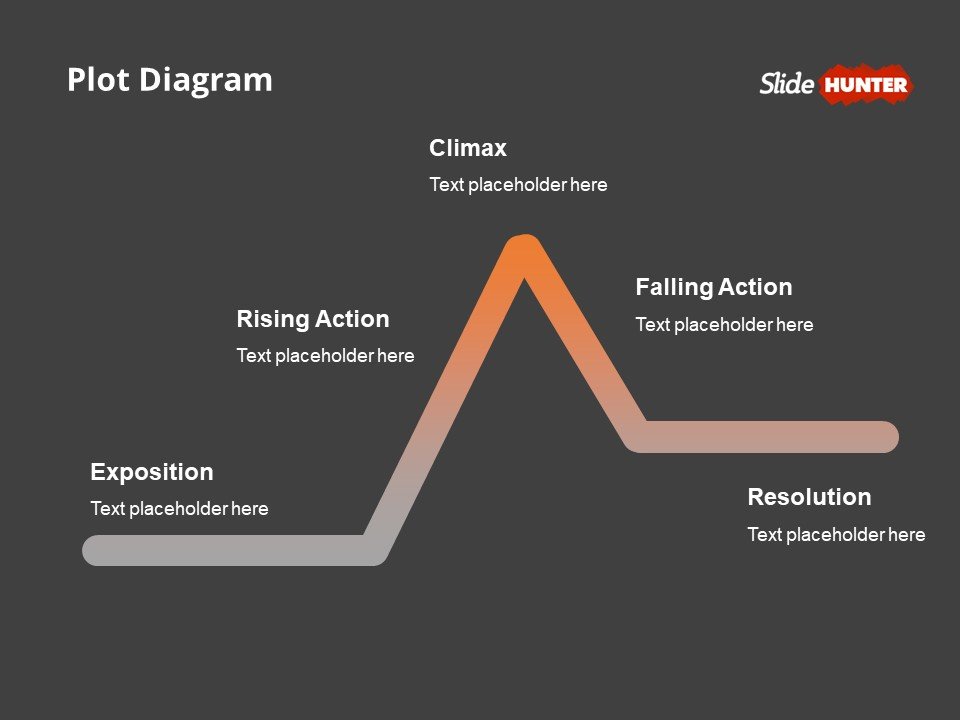
The climax is the scene (or sequence) your entire script has been building toward. In revision, test it against two questions: Does it resolve the central dramatic question? and Does it force the protagonist to confront the thing they've been avoiding?
To strengthen a climax that feels flat:
- Escalate the obstacles. The final challenge should be the hardest one, not just another version of earlier conflicts.
- Add time pressure or irreversibility. The audience should feel that this moment matters now and can't be undone.
- Connect it to character arc. The protagonist should need to change, sacrifice, or make a difficult choice to succeed. A climax that's purely external action without internal stakes rarely satisfies.
The resolution is everything after the climax. It's shorter than most writers think it should be. Your goals here are to tie off major plot threads, show the consequences of the climax, and reinforce your theme through how the world has changed.
A few revision checks for your resolution:
- Does every significant subplot get addressed, even briefly?
- Does the ending reflect the protagonist's growth (or deliberate lack of it)?
- Are you providing enough closure to feel satisfying without over-explaining? Audiences don't need every question answered, but they do need the important ones resolved.
- If you're writing with a sequel in mind, make sure this story still feels complete on its own. An unresolved ending is not the same as an open-ended one.
See Fiveable more often in Google
Mark Fiveable as a preferred source and Google is more likely to show you our guides in Top Stories, with a "preferred" badge in AI Mode and AI Overviews.